
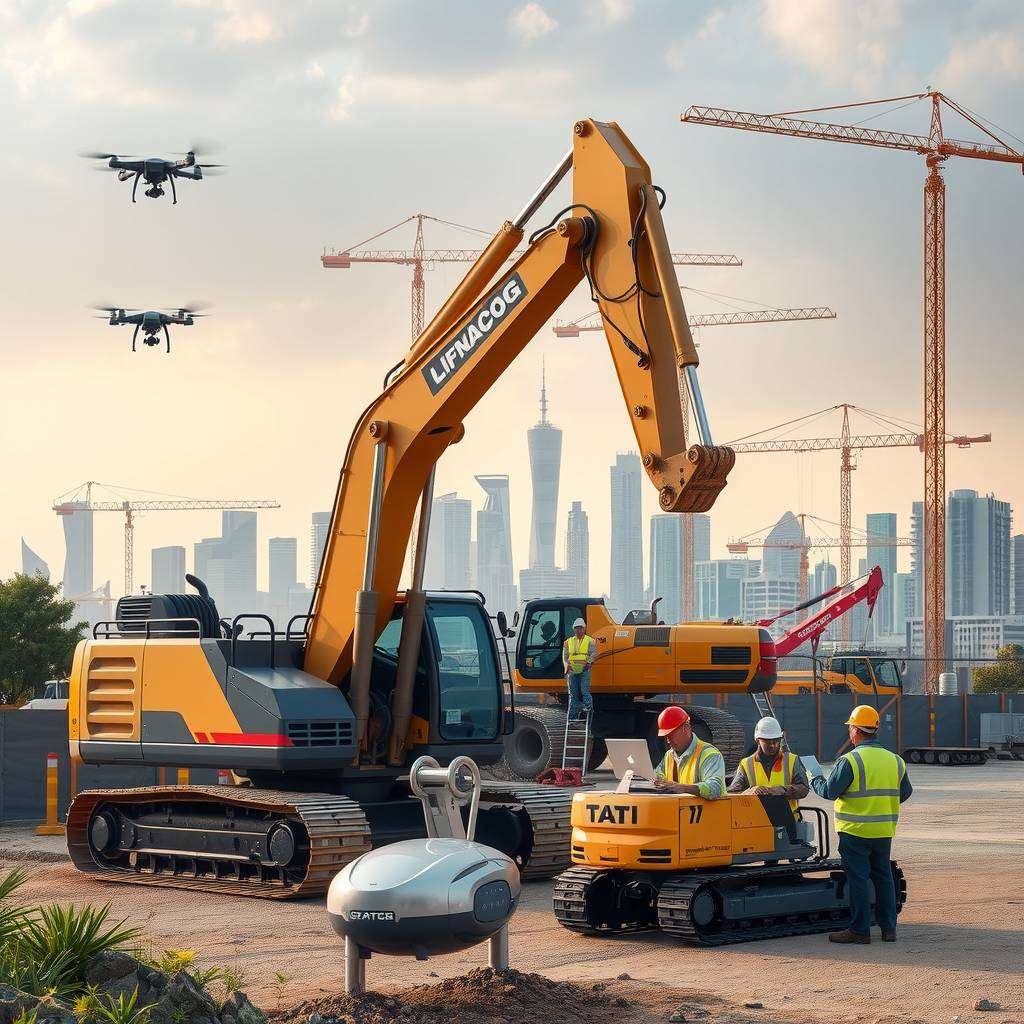
The construction industry is at a pivotal point where the integration of innovative technologies is reshaping operations and efficiency. Innovations in plant and machinery are driving this transformation, ensuring that companies can meet growing demands, reduce costs, and enhance safety standards. As we look forward to the future of plant machinery, it is essential to explore the various advancements that are reshaping construction processes.
The Rise of Automation and Robotics
One of the most significant trends influencing the future of plant machinery is the increasing adoption of automation and robotics. Automated machines are capable of performing repetitive tasks with precision and speed, which minimises human error and accelerates project timelines. This shift not only enhances productivity but also improves safety by reducing human involvement in hazardous environments.
For example, automated bulldozers and excavators equipped with GPS and laser technology can perform intricate grading tasks with minimal operator intervention. This technology allows for a more uniform finish and optimised material usage. Renovating the fleet available for plant equipment for sale is crucial for businesses looking to remain competitive, as they can capitalise on these advancements by offering cutting-edge solutions.
For all your plant & machinery needs, SJ Hall Plant offers a comprehensive range of high-quality equipment for sale and rent. Whether you’re embarking on a large construction project or a small renovation, our reliable plant & machinery will ensure efficiency and safety. Discover our offerings today at https://www.sjhallplant.com/.
Advancements in Telemetrics and IoT
The Internet of Things (IoT) is another groundbreaking innovation that is changing the landscape of construction technology. With the integration of telemetrics, plant machinery can now be equipped with sensors that collect and analyse data in real-time. This feature enables operators and fleet managers to monitor machine performance remotely, leading to improved maintenance and operational efficiency.
Telemetric data can provide insights into fuel consumption, usage patterns, and maintenance needs, resulting in informed decision-making regarding plant equipment for sale and maintenance schedules. Construction companies looking to invest in new machinery and plant can significantly benefit from these data-driven insights, ultimately leading to cost savings and increased productivity.
Electric and Hybrid Plant Machinery
Concerns regarding environmental sustainability have led to an increased interest in electric and hybrid plant machinery. As regulations tighten and society demands more eco-friendly options, the construction industry must adapt to these changes. Electric machinery produces zero emissions, reducing the carbon footprint of construction projects while improving air quality on job sites.
Hybrid machines, which combine diesel power with electric capabilities, offer versatility, reduced fuel costs, and lower maintenance expenses. Companies specialising in plant machinery sales UK are increasingly expanding their inventories to include these green alternatives, meeting the needs of environmentally conscious clients while remaining competitive in a changing marketplace.
The Importance of Advanced Training and Skill Development
As innovations in plant and machinery continue to evolve, the workforce must also adapt to these changes. Advanced training and skill development are essential to prepare workers for operating and maintaining modern machinery. Businesses that invest in employee training ensure their teams have the necessary skills to utilise new technology effectively.
Furthermore, training programmes can reduce the risk of accidents associated with operating sophisticated machinery. Companies engaged in used plant sales can particularly benefit from this, as they may offer refurbished equipment alongside training sessions to ensure that operators are well-versed in using the equipment safely and efficiently.
3D Printing in Construction
3D printing is emerging as a game-changer in various industries, and construction is no exception. This technology allows for the on-site production of building components, reducing dependence on traditional manufacturing processes. The integration of 3D printing into construction may alter the landscape of supply chains, limiting the need for extensive plant equipment for sale and storage.
3D-printed materials can drastically cut wastage, promote sustainable building practices, and lower costs. Additionally, customised components can be produced quickly, significantly speeding up project timelines. This innovation may also open doors for the purchase and rental of unique plant machinery designed specifically for 3D printing applications.
Enhanced Safety Features
Safety is paramount in the construction industry, and ongoing innovations in plant machinery are addressing this issue head-on. Modern plant equipment is being designed with advanced safety features, such as automated safety systems, improved visibility aids, and enhanced ergonomics. These innovations not only protect operators but also contribute to the overall safety of job sites.
Machine operators are benefiting from features like proximity sensors, which alert them to nearby workers or obstacles, reducing the chance of accidents. Moreover, investment in safety-focused plant machinery for sale is rapidly becoming a standard for companies aiming to maintain high safety standards and improve productivity.
Conclusion
The future of plant and machinery within the construction sector is incredibly promising, driven by innovations that enhance efficiency, productivity, and safety. From automation and IoT integration to eco-friendly solutions and advanced training, the construction industry is evolving to meet the challenges of the modern world. Companies engaged in plant machinery sales UK and those seeking to rent equipment must stay attuned to these advancements to maintain a competitive edge and meet client expectations effectively.