Investing in high-quality plant machinery is essential for any construction project, ensuring efficiency and reliability. Whether you need to buy or rent equipment, choosing the right supplier can make all the difference in your operations. For a comprehensive range of options and expert assistance, visit https://www.sjhallplant.com and discover what we can offer.
Choosing the right plant machinery for a construction project can be a daunting task, especially for those new to the industry. With a wide array of options available, understanding the different types of machinery, their features, and how to select the best equipment to meet your project’s needs is crucial for ensuring efficiency and productivity. This guide aims to help beginners navigate the world of plant machinery, providing insights into purchasing second-hand plant machinery, evaluating equipment options, and sourcing machinery effectively.
Understanding Your Project Requirements
Before diving into the myriad options available on the market, it is essential to understand your specific project requirements. Start by evaluating the nature of your project:
- Scope of Work: Determine what types of tasks need to be completed. Are you moving earth, lifting heavy materials, or demolishing structures? Identifying the specific functions required will narrow down your choices.
- Site Conditions: Consider the terrain and environment where your project will take place. Wet or muddy fields may require different machinery compared to a solid asphalt surface.
- Project Duration: Assess how long you will need the machinery. For short-term projects, renting may be more economical, while long-term projects might benefit from purchasing equipment.
Taking the time to define these parameters will guide you in selecting the right machinery for your project.
Types of Plant Machinery
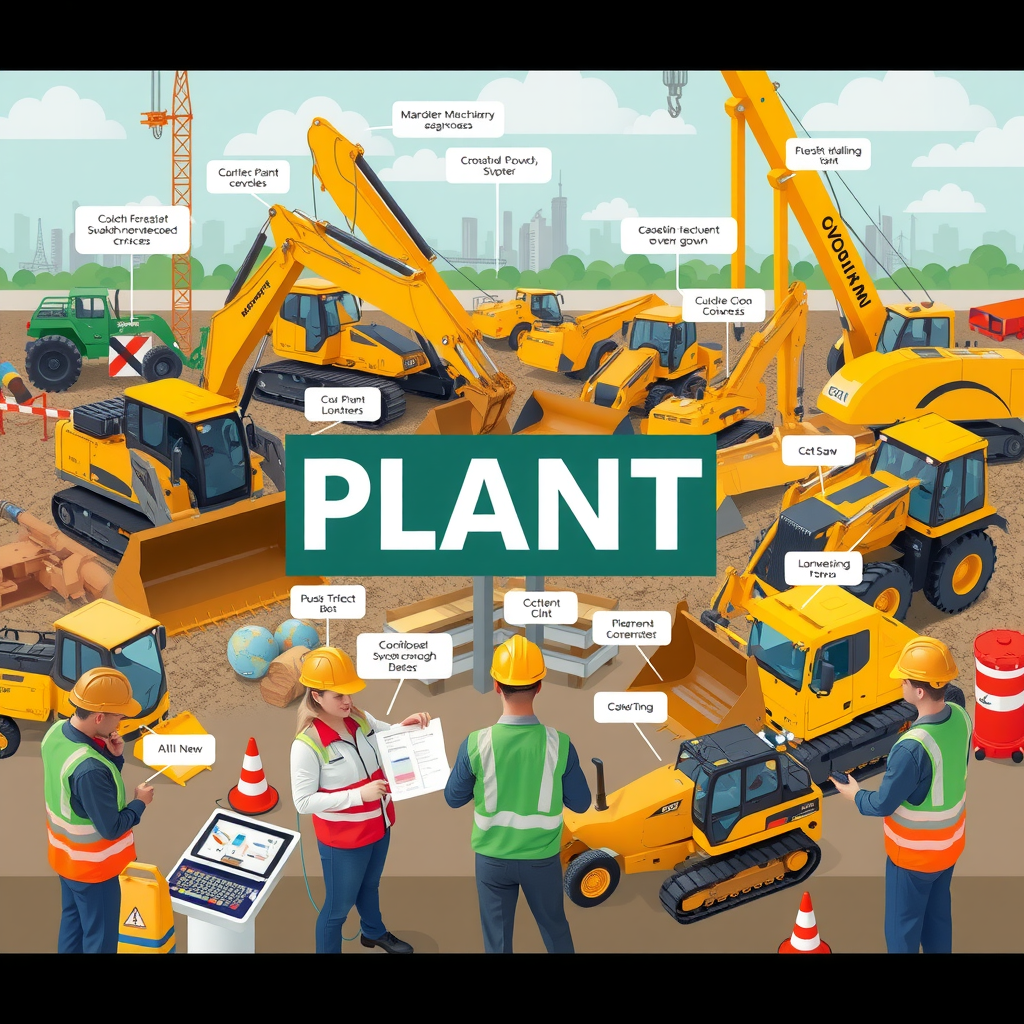
Understanding the different types of plant machinery available is vital in making an informed decision. Below are some commonly used categories of heavy plant machinery:
- Excavators: Perfect for digging and earth-moving tasks, excavators are versatile and can be equipped with various attachments such as buckets or hydraulic breakers.
- Loaders: Used primarily for loading materials onto trucks, loaders come in numerous sizes and configurations, from compact models to large wheel loaders.
- Dump Trucks: Ideal for transporting loose materials like sand, gravel, or demolition debris, dump trucks come in various capacities to suit different project sizes.
- Telehandlers: These machines are versatile and can lift, place, and move loads with various attachments. They excel in construction sites with limited space.
- Crushers: If the project involves recycling materials, crushers help reduce debris and create reusable materials on site.
Each type of equipment serves distinct functions, making it important to choose machinery that aligns well with your project’s specific needs.
Sourcing Second-Hand Plant Machinery
Purchasing second-hand plant machinery can be a cost-effective solution for many businesses. When looking for used plant equipment for sale, especially in the UK, consider the following steps:
- Research Reputable Dealers: Look for dealers that specialise in used plant sales. Online platforms and local equipment rental companies often have sections dedicated to used equipment.
- Inspect the Equipment: If possible, perform a thorough examination of the machinery. Check for wear and tear, listen for unusual noises, and assess the overall condition.
- Evaluate Maintenance Records: A well-maintained machine often guarantees better longevity and fewer issues. Request maintenance records to ensure the equipment has been serviced regularly.
- Consider Warranty Options: Some dealers may offer limited warranties even on second-hand machinery. Make sure to inquire about this as it can provide peace of mind.
By taking these steps, you can find high-quality used plant equipment for sale at reasonable prices.
Renting vs. Buying Plant Machinery
Deciding between renting and buying plant machinery is a crucial consideration when managing costs and project logistics. For beginners, here are some factors to weigh:
- Frequency of Use: If you anticipate using the equipment frequently over an extended period, investing in plant machinery for sale may be economical in the long run. However, for one-off or occasional projects, renting may be more cost-effective.
- Maintenance Costs: Owning machinery comes with ongoing maintenance and repair costs. When renting, the rental company often handles maintenance, allowing you to focus on the project.
- Flexibility: Renting provides the advantage of being able to choose the latest models and technology without the financial commitment involved in ownership. This can be particularly beneficial in a fast-evolving industry like construction.
Ultimately, understanding your operational needs and evaluating the financial implications of each option will help you make the best choice for your project.
Conclusion
Choosing the right plant machinery for your project is a decision that requires careful consideration and planning. By evaluating your project requirements, understanding the types of machinery available, sourcing second-hand equipment, and deciding between renting or purchasing, you can ensure that you make an informed decision tailored to your specific needs. With the right plant machinery in place, your project can progress smoothly and efficiently.